Which Mudguards Will Fit My Bike? A Guide for Road, Gravel & Commuter Bikes
Choosing mudguards should be simple, but modern bikes make it surprisingly easy to buy the wrong set.
Wheel size is only part of the answer. Tyre width, frame clearance, mounting points and the amount of protection you want all determine what will actually fit.
A road bike with 28mm tyres may need a completely different solution from another road bike running the same size tyre. Gravel bikes introduce wider tyres and different frame shapes, while commuter and hybrid bikes often make it easier to fit proper full-length guards.
This guide explains what to check before buying, the difference between the main types of mudguard, and what you can do if your bike doesn't have traditional mudguard mounts.
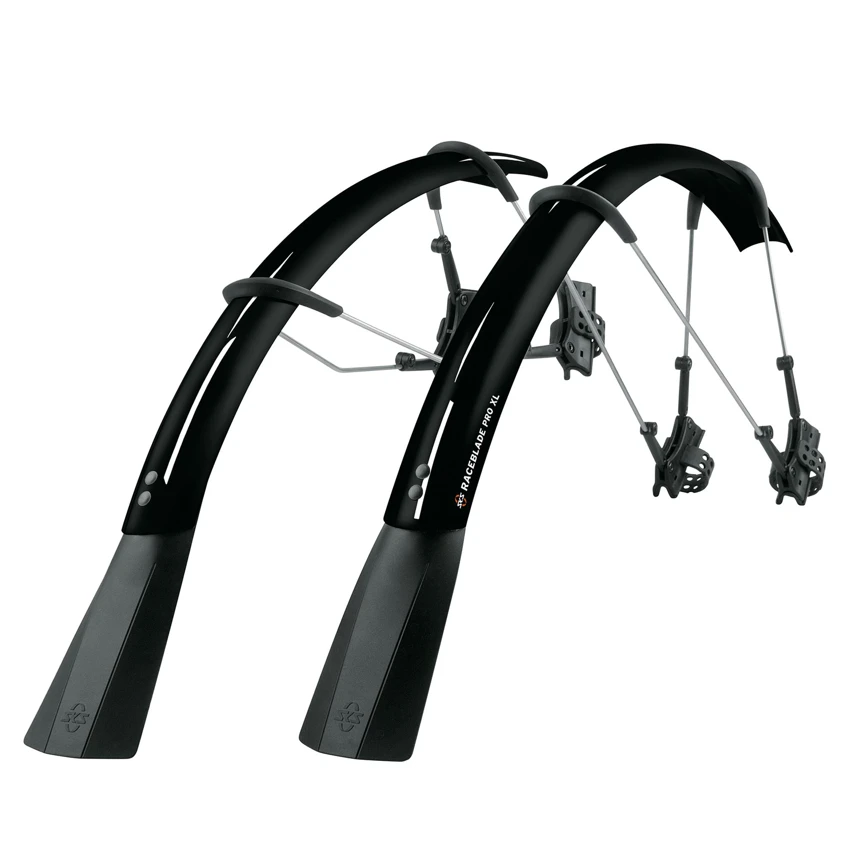
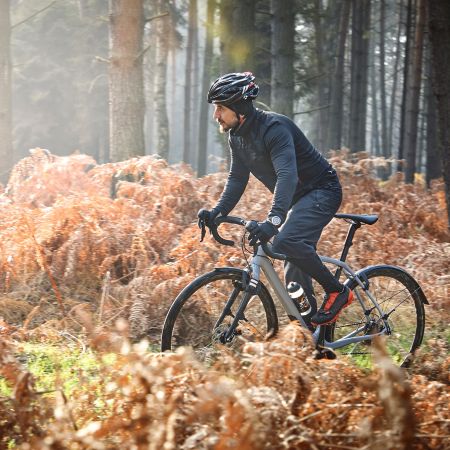
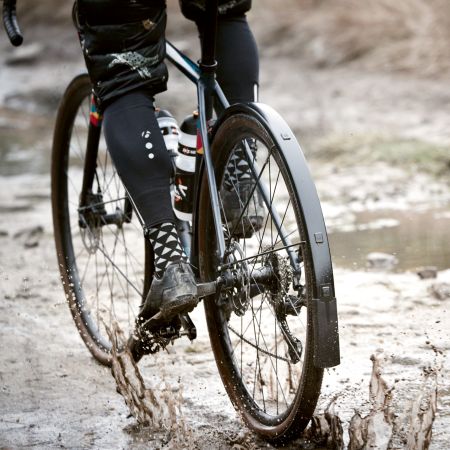
Before choosing a particular mudguard, these are the things we would check in the workshop. It's common to start by looking for a mudguard marked 700c, 28 inch or 29 inch. That's useful information, but it doesn't tell the whole story. Two bikes can use the same wheel size while running completely different tyres. A 28mm road tyre and a 45mm gravel tyre may both sit on a 700c wheel, but they need very different mudguard widths and amounts of clearance. The actual inflated width of a tyre can also vary depending on the tyre and the width of the rim it is fitted to. That's why we wouldn't choose a mudguard purely from the number printed on the wheel or tyre. As a general principle, the mudguard needs to be wider than the tyre, with enough space left around the tyre for it to run safely without rubbing. There isn't one type of mudguard that is right for every bike. The best option depends on how you use the bike and what the frame will accept. If the bike has suitable mounting points and enough clearance, full-length guards are usually the best option for regular wet-weather riding. They cover more of the wheel, which means less water and road dirt reaching you and the bike. They're particularly useful on commuter bikes, winter bikes and bikes used regularly in poor weather. They also make a lot of sense if you regularly ride with other people, as good rear coverage helps reduce the amount of spray reaching the rider behind. Modern road bikes often don't have traditional mudguard eyelets. That's where removable systems come in. Rather than relying on threaded frame mounts, they attach to the frame and fork using straps, brackets or quick-release fittings. They're particularly useful if you only want guards during autumn and winter, or if your frame simply wasn't designed around conventional full-length mudguards. Often, yes. The lack of traditional eyelets doesn't automatically rule mudguards out. The important questions become how much clearance the bike has and whether there's a suitable way to attach the guards without interfering with the tyres, brakes, cables or frame. One example is the SKS Raceblade Pro XL . Rather than using conventional mudguard eyelets, it uses a quick-release fitting system around the frame and fork and is designed for road tyres from 25mm to 32mm. It's a useful solution for modern road bikes where full-length guards simply aren't practical. The compromise is coverage. A removable road guard won't usually extend as far around the wheel as a conventional full-length mudguard. If maximum wet-weather protection is the priority and your bike has the mounts and clearance, a full-length system remains the better option. Road bikes can be one of the trickier categories because frame clearance is often tighter and many modern frames don't include mudguard eyelets. The first thing to establish is how much room there is around the tyres. The difference between 28mm and 32mm doesn't sound significant, but those extra few millimetres can matter when space around the fork crown and rear triangle is already limited. A wider tyre also doesn't simply become wider. Its overall shape and height can change, particularly when fitted to a wider rim. So don't assume that because a mudguard works with 28mm tyres on one bike it will automatically work with 32mm tyres on the same frame. For road bikes without eyelets, a removable system such as the SKS Raceblade Pro XL is often where we'd start. If the bike has proper mudguard mounts and sufficient clearance, full-length guards may provide better protection. Gravel bikes present a different problem. There's usually more room around the tyres than on a road bike, but the tyres themselves are significantly wider. Frame design also varies enormously. Some gravel bikes have full mudguard mounts, while others are designed around a cleaner, more minimal frame and need a removable system. This is where products such as the SKS Speedrocker make sense. The standard Speedrocker is designed for road and gravel bikes with disc brakes and is particularly well suited to the wider tyres commonly used on gravel bikes. For riders using still wider gravel tyres, the SKS Speedrocker XL accommodates tyres up to 52mm. That makes the Speedrocker family particularly useful on gravel bikes where you want useful front and rear coverage without permanently fitting conventional guards. More clearance is particularly important on a gravel bike. A slick road tyre running close to a mudguard is one thing. A gravel tyre carrying mud, grit and small stones is another. There needs to be sensible space between the tyre and guard rather than simply checking whether the two can physically be squeezed together. The tread pattern and actual inflated width of the tyre therefore matter just as much as the number printed on its sidewall. Commuter and hybrid bikes are often the easiest bikes to equip properly because many are designed with mudguard mounting points and generous tyre clearance. If the bike is used regularly in wet weather, we would usually favour a full-length mudguard where possible. This is where ranges such as SKS Bluemels are useful. They are available in different widths to suit different tyre sizes, so the important thing is to match the particular guard to the tyre and frame rather than simply choosing a set marked for a 28-inch wheel. A properly fitted full-length guard gives much better coverage around the wheel than a short clip-on guard, helping keep spray away from the rider and reducing the amount of road dirt reaching the bike. If you're building a bike primarily for winter commuting or year-round transport, this is usually the type of setup we'd look at first. Don't assume that means you can't fit mudguards. Depending on the bike, there are several alternatives: The limiting factor is often clearance and frame shape, rather than simply whether there's a threaded hole near the dropout. That's also why we'd be cautious about recommending a specific set without knowing what bike and tyres they're going onto. As a simple starting point: These are starting points rather than guarantees. The bike still needs enough room around the tyres for the particular mudguard to fit safely. This is one of those jobs where seeing the bike can save a lot of guesswork. If you're unsure, send us: In many cases we'll be able to narrow down the right type of mudguard before you bring the bike in. Alternatively, bring the bike into Port Velo Cycle Works in Portbury. We can check the tyre size, available clearance and mounting options and advise on what we'd actually fit. Browse our bike mudguards or see our workshop and fitting prices . Port Velo Cycle Works is based in Portbury, serving Portishead, Pill, Clevedon and the wider North Somerset area.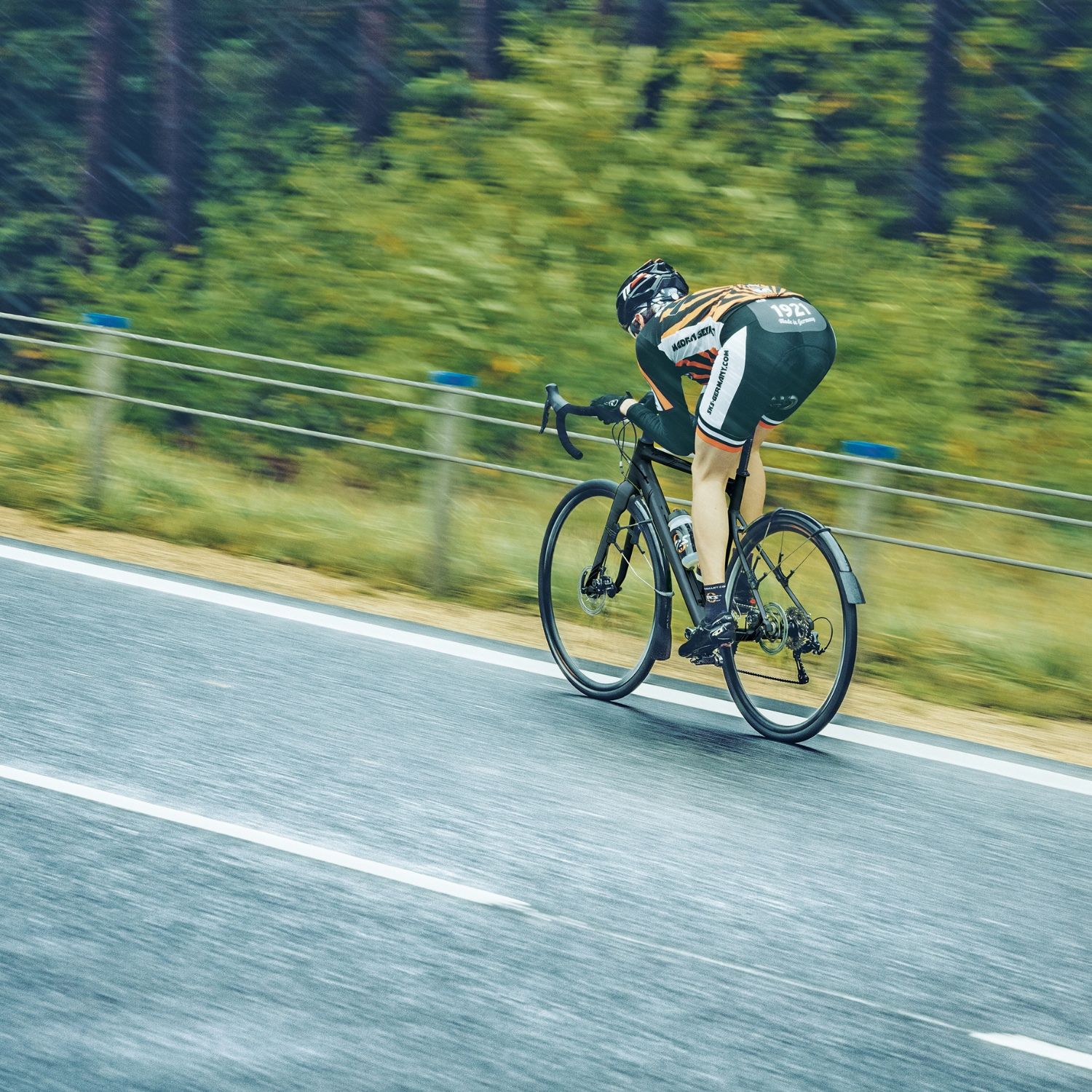
The five things that decide which mudguards will fit your bike
A road bike, gravel bike, commuter or hybrid will usually point towards a different style of mudguard.
Look at the writing on the tyre sidewall. You might see something such as 700 x 28, 700 x 32 or 40-622. The tyre width is particularly important when choosing the right guard.
There needs to be enough room not only for the tyre but also for the mudguard itself. The important areas are usually around the fork crown, seatstays and chainstays.
Traditional eyelets make fitting full-length mudguards easier, but their absence doesn't necessarily mean you can't fit mudguards.
A bike used throughout winter may benefit from full-length guards, while a road or gravel bike might be better suited to a removable system.Tyre width matters more than wheel size alone
Full-length or removable mudguards?
Type Best suited to Main advantage Main compromise Full-length mudguards Commuting, winter bikes and year-round riding Best overall spray coverage Need suitable clearance and usually mounting points Clip-on / removable mudguards Road bikes without traditional eyelets Can fit many bikes without permanent mounts Usually provide less coverage than full-length guards Strap-mounted gravel systems Gravel and adventure bikes Work with a wide range of frame designs Tyre clearance and frame shape still need checking Full-length mudguards
Clip-on and removable mudguards
Can you fit mudguards to a road bike without mudguard mounts?
Mudguards for road bikes
28mm vs 32mm tyres
Mudguards for gravel bikes
What about mud and tyre clearance?
Mudguards for commuter and hybrid bikes
What if my bike doesn't have mudguard eyelets?
Which type of mudguard should I choose?
Your bike / riding Where we'd start Modern road bike without mudguard eyelets SKS Raceblade Pro XL or a similar removable road system Road bike with proper mounts and enough clearance Full-length mudguards Gravel bike with moderately wide tyres SKS Speedrocker or a suitable full-length system Gravel bike with tyres up to 52mm SKS Speedrocker XL , subject to frame clearance Commuter or hybrid Full-length guards such as an appropriately sized SKS Bluemels set Before you buy: three things worth checking
Don't guess it from the bike or wheel size.
Pay particular attention to the fork crown and the narrowest points around the rear wheel.
If it doesn't, that simply changes the type of mudguard we'd consider.Still not sure which mudguards will fit your bike?