Bike Maintenance Tips to Help Your Bike Last Longer
Learn how to extend your bike’s life with expert maintenance tips, simple routines, and the right tools — straight from Port Velo Cycle Works.
Rooster | October 13 2025How to Make Your Bike Last Longer: The Ultimate Guide by Port Velo Cycle Works
Extend your ride. Preserve your investment. Ride smoother for longer.
Whether you commute, enjoy long weekend rides, or hit the trails with friends, your bike is more than just a means of transportation — it’s your freedom, your hobby, your companion on the road. Like any finely tuned machine, your bicycle thrives on care, attention, and regular maintenance.
At Port Velo Cycle Works, we know the better you maintain your bike, the longer it lasts — and the more enjoyable every ride becomes. Neglect leads to unnecessary repairs, poor performance, and safety concerns. This guide is here to help you ride further, smoother, and smarter for years to come.
1. Keep Your Bike Clean – Regularly and Properly
Why cleaning matters
Cleaning your bike isn’t just about appearance — it’s a key part of preventative maintenance. Dirt, salt, and grime corrode components, clog your drivetrain, and wear down parts faster than you might expect. Over winter, road salt accelerates this damage even more.
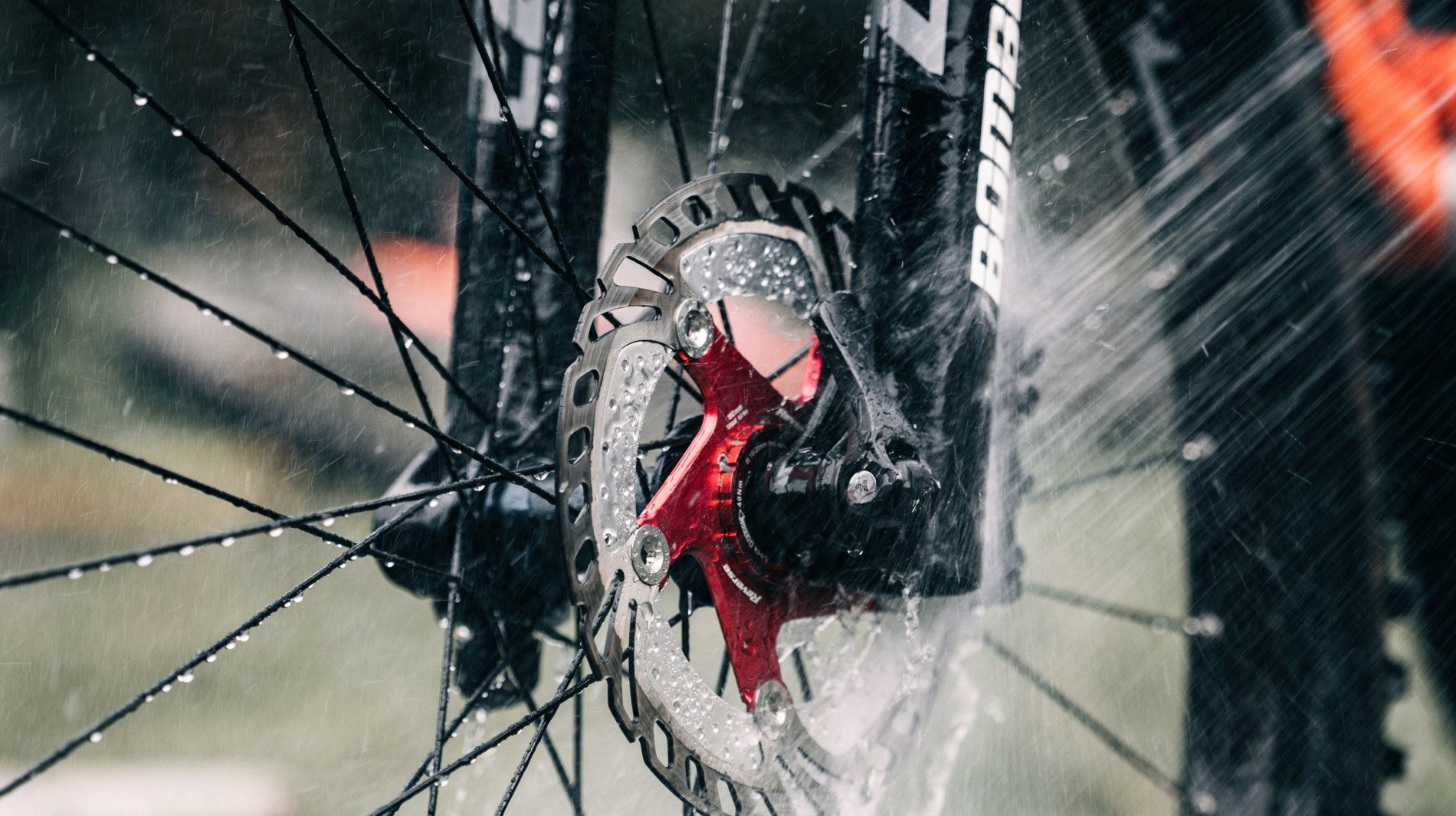
Even a basic clean every couple of weeks will make a difference. Skip the pressure washer and WD-40. Instead, opt for warm water, a sponge, and a bike-specific cleaner. Dry the bike thoroughly to prevent rust and water from sitting in critical areas like bottom brackets and bearings.
How to do it
- Rinse with warm water and a soft sponge or brush
- Use a bike-specific cleaner (avoid dish soap or degreasers)
- Focus on the drivetrain, brake surfaces, and contact points
- Dry thoroughly with a clean microfiber cloth
Recommended products
2. Maintain Your Drivetrain – Your Bike’s Power System
Why drivetrain care is critical
Your drivetrain is constantly under stress. If left dirty or dry, it wears quickly, causes shifting issues, and turns your ride into a grind. Keeping it clean and lubricated will dramatically increase the lifespan of your chain, cassette, and chainrings.
What to do
- Wipe your chain regularly, especially after wet or gritty rides
- Use the right lube for your riding conditions (wet or dry)
- Apply lightly and wipe off excess to avoid dirt build-up
- Check for chain stretch with a wear tool every few hundred kilometres
- Replace your chain before it causes damage to other components
Product suggestions
- All-Weather Chain Lubricant – Long-Lasting Formula
- Parktool Chain Checker Tool
- Brush Set for Chainrings & Jockey Wheels
3. Store It Like You Care – Protection Is Prevention
Why storage matters
Improper storage is one of the most overlooked causes of long-term wear. Exposure to moisture, temperature swings, and UV light slowly degrades key components. Even a covered outdoor area won’t fully protect your bike if it’s constantly exposed to the elements.
What to do
- Store indoors wherever possible
- If outside, use a waterproof, UV-resistant cover
- Use wall mounts or bike stands to avoid tyre deformation
- Always store your bike clean and dry
Tip
During long-term storage (such as winter), slightly deflate tyres and apply a light coat of lube to moving parts to prevent drying or corrosion.
4. Invest in Regular Bike Servicing
Why servicing matters
No matter how hands-on you are with your maintenance, a professional service will catch issues you might miss — from worn bearings to stretched cables or hidden damage in components.
When to book
- Every 3–6 months: Basic check-up and tune
- Annually: Full strip-down service with drivetrain, bearing, and brake inspections
- New bike? Book your first service after 6 weeks to correct cable stretch and setup
Port Velo Services
- Book an Essential Service
- Annual Full-Service Package
- Gear & Brake Adjustment
5. Keep Your Tyres in Check – Reduce Flats and Stay Safe
Why it matters
Many flats happen not because of debris but from tyres being underinflated. Pinch flats occur when the inner tube is squeezed between the rim and a hard object like a kerb or pothole. Proper inflation reduces that risk — and helps your tyres wear evenly.
Key checks
- Check tyre pressure before every ride
- Use a digital gauge for accuracy
- Inflate to the range printed on the sidewall (5 PSI below the max is a safe guide)
- Inspect for cuts, splits, or embedded debris
- Look for wear indicators on the tread surface
- Spin wheels to check for wobbles or brake rub
For tubeless setups
- Inspect bead seal and ensure it’s airtight
- Top up sealant every 2–6 months depending on usage
- If no sloshing sound when spinning, the sealant may have dried out
- Carry a small sealant bottle for emergency top-ups
Product suggestions
- Digital Tyre Pressure Gauge
- High-Pressure Floor Pump with Gauge
- Tubeless Sealant – Long-Lasting Formula
- Mini Tubeless Repair Kit
- Gravel, Road & MTB Tyres
Note
Tyres degrade over time, even if they’re unused. If yours are more than three years old, inspect them for signs of cracking or rubber hardening.
6. Check Your Brakes – Ride Safe, Stop Smoothly
Why it matters
Good braking is critical to rider safety. Whether you're navigating city traffic or descending a long hill, your brakes must be reliable. Poor maintenance can lead to squealing, reduced stopping power, or complete failure.
Rim brakes
- Check brake pad wear — grooves or wear lines indicate life remaining
- If the rim has become concave, replace it before it fails
- Keep rims and pads clean to avoid grit damage
- Squeaks may indicate contamination or metal-on-metal contact
Disc brakes
- Keep rotors free of oil and cleaners
- Cover rotors when washing your bike
- If brakes squeal and feel weak, they may be contaminated
- Contaminated pads and rotors should be replaced, not just cleaned
Product suggestions
- Rim Brake Pads – With Wear Indicators
- Rotor Cleaning Wipes
- Disc Brake Pad Set – Organic or Sintered
- Rotor Covers
- Complete Brake Service – Book at Port Velo
7. Don’t Ignore Strange Sounds or Creaks
What to listen for
Unusual noises often mean something is out of place. They’re easy to ignore — but usually lead to bigger problems later on.
- Creaking while pedalling? Check crank arms and bottom bracket
- Clicking when shifting? May be cable tension or derailleur alignment
- Squealing brakes? Check for contamination or worn pads
- Rattling? Could be loose bolts, bottle cages, or accessories
Tools to use
- Bike-Specific Torque Wrench
- Anti-Seize & Assembly Paste
- Rotor & Brake Cleaner Spray
8. Regularly Check and Tighten Bolts
Why it’s essential
Your bike is only as safe as its bolts. Over time, vibrations loosen key components. Ignoring them can lead to unsafe riding or even crashes.
Key areas to check
- Stem and handlebars
- Seatpost clamp
- Crank arms
- Pedals
- Brake calipers and levers
- Derailleur hanger
Essential tools
- Allen Key & Torx Multi-Tool
- Digital Torque Wrench
Important: Always use correct torque settings. Overtightening can crack components — especially carbon frames — and under-tightening can cause dangerous movement.
9. Fit Mudguards – Protect Your Bike and Yourself
Why it matters
Mudguards aren’t just for keeping dry — they help protect your frame, drivetrain, and bottom bracket from grime, grit, and water spray. They can significantly reduce cleaning time and wear on key components.
Best practice
For year-round commuters, investing in high-quality, full-length mudguards is a smart move. Look for stainless steel fittings and spare parts availability. However, mudguards should be removed in the summer or when not needed — they can trap moisture and dirt against the frame, especially around carbon tubing.
Product suggestions
- Full-Length Commuter Mudguards – Stainless Steel Fittings
- Clip-On Mudguards – Lightweight and Removable
- Mudguard Mounting Hardware Kits
10. Lock It Properly – Protect Your Investment
Why it matters
It takes just seconds for an opportunist to make off with your bike. Using the wrong lock — or locking it incorrectly — can turn your investment into an easy target.
What to do
- Use a high-quality D-lock or heavy-duty chain
- Always lock the frame and at least one wheel
- Lock to a solid, immovable object — not a signpost that can be lifted
- Remove easily stolen components like lights or saddle bags
- Register your bike with a national database and record its frame number
Product suggestions
- Sold Secure Gold Rated D-Lock
- Heavy-Duty Chain Lock with Hardened Links
- Security Mounts for Wheels and Saddle
Final Thoughts: A Well-Maintained Bike Is a Joy to Ride
Maintaining your bike doesn’t require a workshop or hours of time. It’s about consistency and attention to detail. Clean regularly, inspect often, and book a service when needed. You’ll ride further, faster, and safer — with fewer mechanical surprises.
Quick checklist
- Clean your bike regularly
- Keep your drivetrain clean and lubricated
- Store your bike indoors or under a proper cover
- Service your bike every 3–12 months
- Check tyres, wheels, brakes, and bolts often
- Use bike-specific tools and avoid guesswork
- Fit mudguards and invest in a proper lock
At Port Velo Cycle Works, we’re here to help you keep riding. From maintenance products and tools to servicing packages and expert advice, we’ve got everything you need to keep your bike in peak condition.